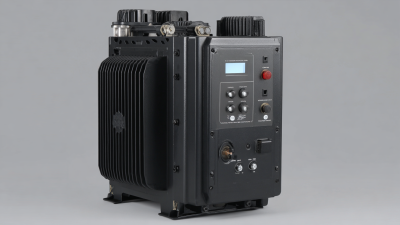
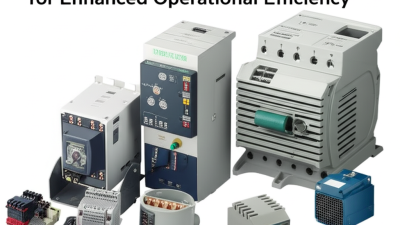
In today's world of ever-changing industrial automation, you can't really overstate how important it is to have good motor control. You know, 'Low Voltage Soft Starters' have really become a game-changer when it comes to managing electric motors. They make the whole process of starting motors much smoother—kind of like a gentle transition from a complete stop to full speed. John Smith, a senior engineer over at Electric Motor Solutions, puts it nicely: "Using a Low Voltage Soft Starter doesn’t just help motors last longer; it also boosts energy efficiency right when they start up."
As manufacturing gets more complex, having reliable and budget-friendly motor control systems is more important than ever. These soft starters cut down on mechanical stress and electrical surges that happen with straight-on-line starts, which means less maintenance and less downtime for you. Plus, they’re pretty smart—optimizing performance and contributing to sustainability goals by using less power.
And get this, using a Low Voltage Soft Starter makes operations way smoother across the board—from conveyor belts to pumps. It gives you control over how fast the equipment speeds up or slows down, so everything stays within safe, efficient limits. That not only helps boost productivity but also cuts down on equipment wear and tear. As industries keep looking for smarter ways to run things better, I think adopting Low Voltage Soft Starters is definitely going to be a big part of where electric motor control tech heads next."
Low voltage soft starters are increasingly recognized for their advantages in electric motor applications. One significant benefit is their ability to reduce inrush current during the motor start-up phase. Traditional motor starters can cause a sudden spike in electrical demand, which may lead to voltage drops in the supply network and potential damage to the motor and connected equipment. By gradually ramping up the voltage, soft starters minimize mechanical stress and extend the life of both the motor and associated components.
Another advantage of low voltage soft starters is improved operational efficiency. With soft starters, users can achieve smoother acceleration and deceleration, which not only enhances the overall performance of the motor but also reduces wear and tear on belts and gears. This capability is particularly beneficial in applications that require precise control over speed and torque, such as conveyors and pumps. Additionally, the built-in monitoring features of many soft starters allow for easier diagnosis of operational issues, leading to more effective maintenance strategies and reduced downtime. Overall, the implementation of low voltage soft starters can lead to significant cost savings and reliability enhancements in electric motor systems.
Soft starters are essential devices in managing the operation of electric motors, particularly in reducing the mechanical and electrical stress during startup. By gradually ramping up the voltage supplied to the motor, soft starters significantly reduce the initial inrush current that can reach up to seven times the normal operating current. According to industry reports, utilizing soft starters can lead to a reduction in energy consumption by as much as 50% during the startup phase, ultimately enhancing energy efficiency and prolonging the lifespan of motors and associated equipment.
The technical functionality of soft starters lies in their ability to control voltage and current inputs carefully. By employing semiconductor technology, these devices gradually increase the voltage applied to the motor, optimizing both speed and torque. This gradual increase not only diminishes the possibility of voltage dips in the electrical network but also mitigates mechanical shock to the system, particularly beneficial in applications with high inertia loads. Furthermore, studies indicate that the implementation of soft starters can reduce peak energy loads in industrial settings, resulting in lower operational costs and improved system reliability. This functionality is especially pertinent in sectors such as manufacturing and HVAC, where electric motor application is widespread and critical for overall efficiency.
Using a low voltage soft starter for electric motors can significantly enhance energy efficiency, directly impacting operational costs and overall performance. According to industry reports, approximately 30% of electrical energy consumption in industrial settings is attributed to electric motors. By implementing low voltage soft starters, businesses can reduce the inrush current up to 70%, which minimizes energy waste during motor start-up. This initial reduction in power not only extends the lifespan of the motors but also substantially decreases heating and wear on electrical components, leading to lower maintenance costs over time.
Furthermore, a study conducted by the U.S. Department of Energy highlighted that employing soft starters could lead to energy savings of approximately 20-40% in certain applications. This is particularly notable during high-demand periods when energy rates are often at their peak. With reduced energy consumption, companies not only lower their utility bills but also contribute to a more sustainable operating environment. The improved control over the starting and stopping of motors provided by soft starters enables smoother operations, further enhancing productivity and reducing downtime associated with mechanical failures or electrical issues. Ultimately, the choice to integrate low voltage soft starters into motor systems can yield significant financial benefits while promoting efficiency and reliability.
This chart illustrates the potential savings in operational costs when using a low voltage soft starter for electric motors, against traditional starting methods.
The primary benefit of using a low voltage soft starter for electric motors lies in its ability to reduce mechanical stress on motor components during startup. Traditional direct-on-line (DOL) connections can subject motors to high inrush currents, often exceeding six times the normal operating current. This sudden surge can lead to excessive torque spikes, resulting in mechanical wear, premature failure, and costly downtime. According to the Electric Power Research Institute (EPRI), implementing soft starters can reduce these inrush currents by approximately 30-50%, significantly lessening the mechanical stress experienced by motors and extending their operational lifespan.
Moreover, a study conducted by the International Energy Agency (IEA) highlights that the application of soft starters can effectively minimize vibration and associated wear on bearings and couplings. By gradually ramping up the motor speed and torque, soft starters allow components to adjust, avoiding abrupt stresses that could lead to misalignment or failure. This controlled acceleration not only preserves the integrity of the motor but also enhances efficiency, leading to lower energy consumption and operational costs. In fact, integrating a soft starter system can result in energy savings of about 10-15%, a beneficial return on investment for both industrial and commercial applications.
When considering the implementation of electric motors in industrial settings, compliance with industry standards and regulations is paramount. A low voltage soft starter not only facilitates smooth motor operation but also aligns with established safety and efficiency guidelines.
According to a report by the International Electrotechnical Commission (IEC), the right motor control system can enhance energy efficiency by up to 30%, which is critical in meeting stringent environmental regulations. Utilizing soft starters helps in minimizing inrush currents, which can damage motors and lead to costly downtime, thereby ensuring compliance with standards such as IEEE 519.
Moreover, industries are increasingly pressed to follow the directives of the Energy Policy Act (EPAct) and various local guidelines, emphasizing the importance of energy-efficient practices. Reports indicate that implementing advanced motor starters can reduce energy consumption during startup sequences, ultimately benefiting both operational costs and regulatory adherence. Workplaces that prioritize these standards may hold a competitive advantage while contributing positively to sustainability goals.
Tips: Before selecting a low voltage soft starter, assess the specific requirements of your operational environment. Regular maintenance checks on motor performance can also optimize compliance with safety regulations, ensuring a reliable and efficient system. Furthermore, staff training on the correct usage of motor control systems can significantly enhance compliance and operational efficiency.
In recent years, low voltage soft starters have become a crucial component in various sectors and industries, offering numerous advantages for electric motor applications. These devices are widely utilized in manufacturing, HVAC systems, and water treatment facilities, where managing inrush current is essential for the longevity and reliability of motors. According to a report by the International Energy Agency, implementing soft starters can lead to energy savings of up to 35% in motor-driven applications by reducing the mechanical stress on the equipment during startup.
In the manufacturing sector, soft starters enhance the performance of conveyor belts, pumps, and compressors. The gradual acceleration and deceleration provided by these devices minimize wear and tear, thereby extending the life of machinery. In HVAC applications, soft starters contribute to quieter operation and more stable performance, particularly in large chillers and fans. Moreover, water treatment facilities benefit from the reduced hydraulic shock, which can otherwise damage pipelines and valves during motor startup.
Tip: When considering installing a low voltage soft starter, assess the specific requirements of your electric motor applications to maximize efficiency.
Additionally, ensure regular maintenance and monitoring of the soft starter to maintain optimal performance. Understanding the load characteristics and application frequency can inform better decision-making in selecting the right soft starter, potentially leading to significant operational savings across various industries.
When considering the integration of low voltage soft starters for electric motors, a thorough cost-benefit analysis can reveal significant long-term advantages that outweigh initial investment concerns. The upfront costs associated with these devices may seem daunting; however, they can yield substantial savings over time. Soft starters reduce the electrical surge during motor activation, decreasing wear and tear on the machine, which in turn minimizes maintenance expenses and prolongs the lifespan of the motor.
Moreover, the energy efficiency offered by low voltage soft starters contributes considerably to cost savings. By controlling the acceleration and deceleration of motors, these devices limit energy consumption during operation, especially during startup. This not only results in lower electricity bills but also helps in reducing the overall carbon footprint of operations. Organizations keen on sustainability can benefit from implementing soft starters, as the reduced energy demand aligns with green practices while also enhancing financial performance. In conclusion, the integration of low voltage soft starters represents a sound investment strategy that aligns operational efficiency with long-term financial health.
: Soft starters are devices designed to manage the operation of electric motors by gradually increasing voltage during startup, thereby reducing mechanical and electrical stress and minimizing initial inrush current.
Soft starters can reduce inrush current by up to 70%, significantly decreasing energy waste during motor start-up, leading to lower utility bills and improved overall performance.
In industrial environments, soft starters help reduce peak energy loads, lower operational costs, and enhance system reliability, making them particularly beneficial for high inertia applications.
By minimizing the mechanical and electrical stress during startup, low voltage soft starters contribute to a longer lifespan of motors by reducing wear and tear on electrical components.
Studies suggest that employing soft starters can lead to energy savings of approximately 20-40% in specific applications, especially during periods of high energy demand.
By reducing electrical surges and mechanical shock, soft starters minimize the need for maintenance, leading to lower expenses over time and prolonged equipment life.
Although the upfront costs may seem high, the long-term savings from reduced energy consumption and maintenance expenses typically outweigh the initial investment.
By lowering energy demand during motor operations, soft starters help organizations reduce their carbon footprint and align with sustainable practices.
The benefits of soft starters are particularly prominent in sectors with widespread electric motor applications, such as manufacturing and HVAC, where efficiency is critical.
The improved control over motor acceleration and deceleration provided by soft starters leads to smoother operations, reducing downtime related to mechanical failures or electrical issues.
A Low Voltage Soft Starter is an essential device for enhancing the performance of electric motors across various sectors. These starters provide several benefits, including energy efficiency, which directly impacts operational costs while improving overall motor performance. By gradually ramping up the motor's speed, low voltage soft starters reduce mechanical stress on motor components, thereby extending their lifespan and minimizing maintenance needs.
Moreover, these devices ensure compliance with industry standards and regulations, making them a reliable choice for various applications. A thorough cost-benefit analysis reveals that the initial investment in low voltage soft starters can lead to significant long-term savings due to reduced energy consumption and decreased wear and tear on equipment. Ultimately, adopting low voltage soft starters is a strategic decision that contributes to operational efficiency and sustainability in diverse industrial settings.